
Here Are Some Tips That Can Help You Avoid Water Damage In Your Property
Wyckoff, United States - March 4, 2024 / First Response Restoration /
Water damage can strike your home or business at any time, often without warning, causing extensive harm and costly repairs. At First Response Restoration, they have seen firsthand the repercussions water damage can have on a property and the structural damage it can cause. With years of expertise and a wealth of accumulated knowledge, First Response Restoration would like to share some crucial tips to help you mitigate risks and protect your investment from unwanted water-related issues.

Understanding Water Damage
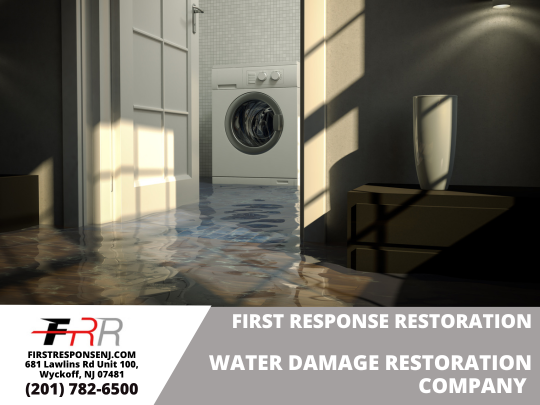
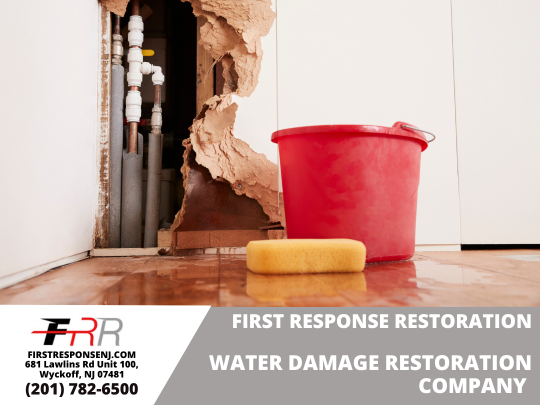
Water damage can be caused by various sources, such as heavy rainfall, floods, leaking appliances, broken pipes, and sewage backups. The damage may range from minor spots on the ceiling to catastrophic flooding. Regardless of the cause or extent, it's crucial to prevent water damage before it starts or to limit its spread as soon as it's detected.
Regular Maintenance
The cornerstone of prevention is regular maintenance. Inspect your property often, especially before seasonal changes. Clean the gutters and downspouts on your property to ensure they're free of debris that can cause water to back up and enter your home or business. Additionally, keep an eye on appliances that use water, such as dishwashers, washing machines, and water heaters, for leaks or signs of wear.
Be sure to monitor your water bill, as an unexplained increase could indicate a hidden leak. Moreover, routinely inspect pipes for cracks or rust, and replace hoses to major appliances every five years or as needed depending on the state of the hose. As long as you stay on top of routine maintenance, you will be less likely to face the disruptions that come with water damage and the need for restoration and repair.
Proper Grading and Drainage
A well-designed landscape can both enhance the appearance of your home and defend it against water damage. Ensure that your property’s grade slopes away from your foundation to prevent water from pooling around your home or business. Additionally, consider installing French drains, especially if your property is prone to accumulating water.
Basement Waterproofing
Basements are particularly vulnerable to water intrusion since they are the lowest point in residential and commercial properties. To protect this area of your property, First Response Restoration advises sealing any cracks in the floors or walls with waterproof compounds. Installing a sump pump can also be a valuable addition, and make sure it comes with a battery backup in case of power outages. Always check your basement regularly for signs of moisture or water intrusion.
Roof and Window Inspections
Your roof and windows serve as critical barriers against water damage. Damaged shingles or roof tiles can allow water to seep in, while improperly sealed windows can let in moisture, leading to mold and mildew. Make it a habit to inspect these areas annually or after major storms or any suspected damage. Replace any damaged or loose shingles and re-caulk window seals as necessary to maintain a tight barrier against potential water entry.
Install Water Detection Devices
Early detection can minimize the extent of water damage. Water sensors and alarms can be placed in high-risk areas like basements, bathrooms, kitchens, and laundry rooms. These devices are designed to alert you of the first signs of leaks, potentially saving you from large-scale water damage restoration costs.
Know The Location of Your Water Main
In an emergency, knowing where your main water shut-off valve is can be the difference between a minor inconvenience and a significant crisis. Make sure that everyone in your home or business is aware of its location and knows how to shut off the water to prevent a minor leak from becoming a significant disaster.
Upgrade Your Hoses and Pipes
Older homes and businesses may have plumbing that isn't up to modern standards. Upgrading to stainless steel braided hoses and sturdier pipes can reduce the risk of leaks and bursts. If you're not sure about the condition of your property's plumbing system, consider having a professional inspect and provide recommendations.
Proper Insulation
Properly insulating pipes, especially those exposed to exterior walls or unheated spaces, can prevent them from freezing and bursting during cold snaps. Use pipe insulation sleeves, which are easy to apply and can be found at most hardware stores. This simple step can save you from the frustration of dealing with water damage during the coldest parts of the year.
Check Your Insurance Coverage
Regularly review your insurance policies to know what is covered in the event of water damage. Not all policies cover flood damage, so you might need to add additional coverage. Understanding your policy can help you make more educated decisions and provide peace of mind.
So You Have Discovered Water Damage In Your Home- Now What?
When you discover water damage in your property, it can certainly throw you for a loop. The IICRC-certified team at First Response Restoration knows all too well that the moments after spotting the damage are crucial. Here's what you need to know on what to do to limit the damage and kickstart the recovery process.
Identifying the source of the water is the first step. If it's something like a burst pipe or an overflowing sink, shut off the main water supply right away. This simple action can keep additional water from causing havoc in your space. Once you've halted the water flow, cut the power to the affected areas. Trust us, water and electricity don’t mix.
Next, consider safety. If there's a ton of water, structural damage might be a concern, so be cautious about where you step. Also, keep an eye out for wet surfaces that may cause you to slip. The goal here is to avoid adding injury to insult—or in this case, to water damage.
Next, grab your phone and snap pictures or video of the damage. These visual aids will be extremely helpful when you touch base with your insurance company. They're all about details, and these images can make the process easier for getting your claim squared away.
Once you've got your evidence, it's time to reach out to the experts, and that's where First Response Restoration comes into play. First response Restoration is your go-to specialist for getting your property back to tip-top shape. Upon arrival, they will assess the damage, and promptly begin drying, cleaning, and restoring your space.
Remember, the goal is to be proactive rather than reactive when it comes to water damage. Incorporating these preventive measures into your routine can safeguard your home or business, saving time and money in the long run. Should water damage occur, First Response Restoration is always prepared to respond swiftly and restore your property to its pre-damage state. With these tips, we hope you'll avoid the need for restoration and enjoy a secure, water-tight property for years to come. If you do find yourself facing water damage, there is no need to panic. Contact First Response Restoration today for immediate assistance with water damage.
Contact Information:
First Response Restoration
681 Lawlins Rd Unit 100
Wyckoff, NJ 07481
United States
Michael Eichman
(201) 782-6500
http://www.firstresponsenj.com
Original Source: https://www.firstresponsenj.com/media-room/#/media-room