It’s not just what you drink – it’s also what you eat! Intermountain Health reminds people to stay hydrated and eat right during heat of summer
Salt Lake City, UT (PRUnderground) July 2nd, 2026
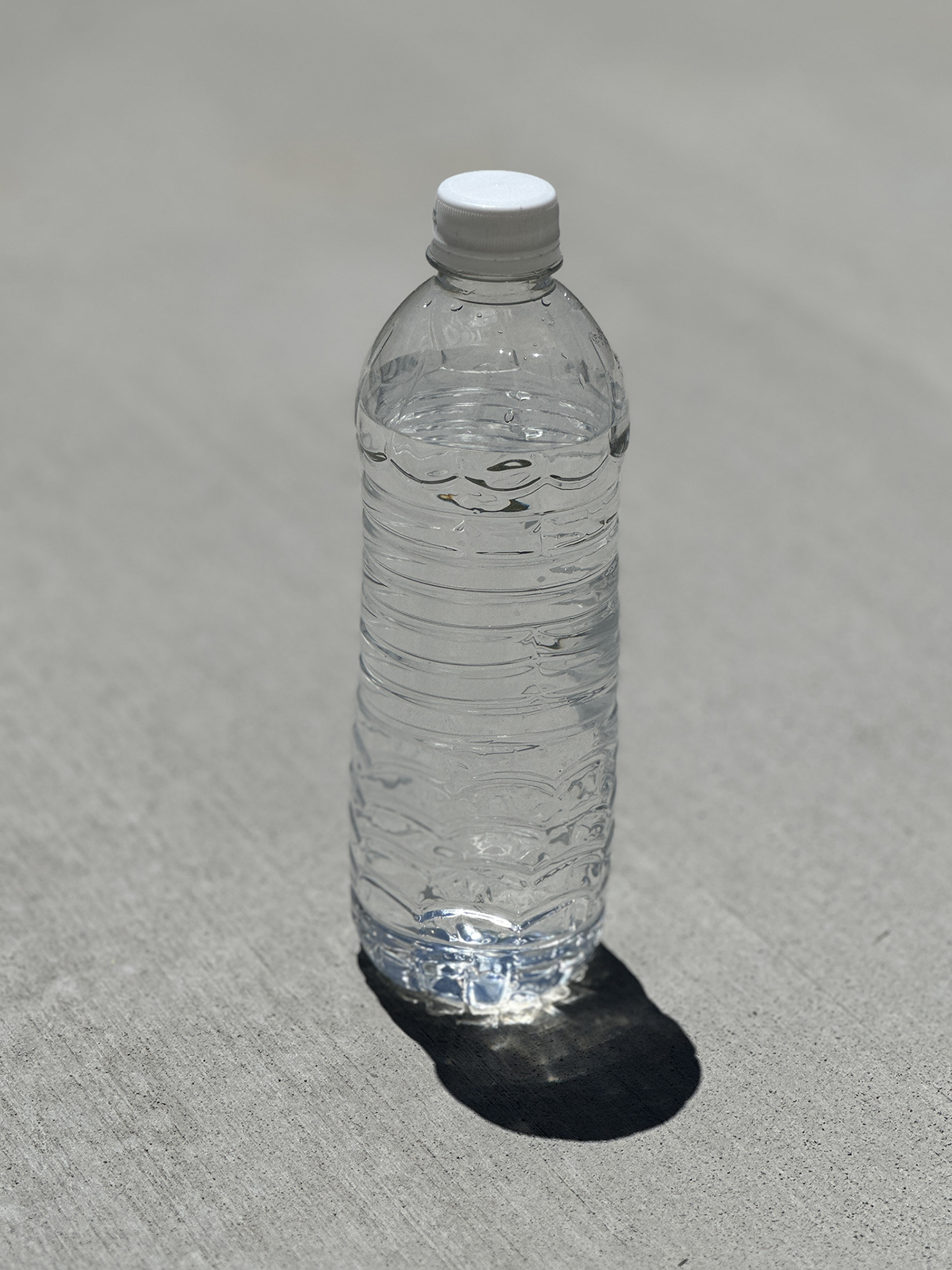
High temperatures and holiday weekends have Intermountain Health dietitians reminding people the importance of staying hydrated and eating right. As people become more active outside, what you eat and drink becomes vital to preventing dehydration and heat illness.
Intermountain Health is now offering telehealth nutritional counselling for people who need extra help getting the right balance of food and hydration for their specific situation.
Drink plenty of water
Water plays an important role in your body and performance. When you stay hydrated, your body functions at its best. About 60% of your body is made up of water. Every single system in your body needs water to work properly. Hydration helps support energy, focus, and overall performance.
Josseline Kelley, an Intermountain Health dietitian, recommends drinking half your body weight in ounces per day.
“That means if you weigh 200 pounds, to stay hydrated properly, you’d be drinking 100 ounces of any beverage, not just water,” said Kelley. “You may even need to increase that number if it’s hot outside, you’re at altitude, outside for more than an hour, or exercising vigorously.”
While it seems like a lot of water, Kelley notes even mild dehydration can cause headaches, sleepiness, dizziness, and constipation. All liquids you drink throughout the day count towards that total. It can also lead to muscle cramps, feeling tired, lower mental focus, along with reduced strength and power. These can make training harder and increase your risk of injury.
“You may experience mild dehydration before you’re even aware you need a drink, so remember to drink before you’re thirsty,” said Kelley.
She also shares her tips on how to increase your water intake:
- Take a water bottle with you everywhere you go, so you can drink a little bit at a time no matter where you are. Invest in sturdy bottle you can reuse.
- Recommendations before activity:
- 16-20 ounces 4 hours before
- 8-12 ounces 10-15 minutes before
- 3-8 ounces every 15-20 minutes during an activity (sports drink preferably if over 1 hour)
- 16-24 ounces per pound lost after being active (weight lost during exercise/activity is water weight and needs to be replenished)
- Put a small amount of sodium in drinking water to help better absorb and pull water into the body’s cells. Recommendation is 110-220 mg per 8 ounces fluid
- Eat more fruits and vegetables. They have a high water content which means they count toward your daily total. Stock your grocery cart with summer favorites like melons, peaches and grapes. You can also freeze fruit and water in a popsicle mold for a hydrating summer treat.
- Drink other beverages too - Milk, juice, coffee, tea, even soup—it all counts toward your daily to One thing that doesn’t count is alcohol, which may cause dehydration. If you do drink alcohol, drink an extra glass of water to make up for its dehydrating effects.
- Set a reminder on your phone to drink something every hour. This will help you stay hydrated all day long.
Dietitians say a person’s diet is also an important part of preventing heat illness and performing at their best. Experts remind people to eat enough food for the intensity of the workout they’re doing.
Along with staying hydrated, eating healthy and nutritious foods can also help prevent health issues.
Heat can make digestion harder so avoiding big heavy meals can prevent people from feeling bad during activity. Higher temperatures can also make your body use stored carbs faster so you may run out of energy sooner. Be sure to eat small amounts of carbs during your activity in the heat.
Experts note heat can make people feel less hungry but it’s important not to skip meals and to eat on a regular basis. Even if you’re not hungry dieticians suggest eating smaller light meals throughout the day.
A diet high in caffeine and alcohol can be dehydrating so it is important to only consume in moderation, especially during a heat wave.
How to spot heat related illness
There are several types of heat-related illnesses including, mild issues like heat rash or heat cramps. The more extreme cases include heat exhaustion and even heatstroke which can be fatal.
Symptoms for heat exhaustion and heatstroke include:
- Heavy sweating
- Cold, pale, and clammy skin
- Muscle cramps
- Dizziness
- Fast, weak pulse
- Nausea or vomiting
If you have any of these symptoms it’s important to rest in a cool, shaded location, and drink plenty of water. A more severe symptom of heatstroke is a body temperature of 103 degrees or higher, and in that case a person should cool down quickly, either in an ice bath or using ice packs and seek emergency medical attention.
Here are a few additional tips to avoid heat-related illnesses:
- Do outside activities in the early morning or late evenings.
- Avoid the hottest parts of the day which is usually between 3-5 pm.
- Avoid workouts on artificial turf or concrete. The temperature can be much higher on those surfaces due to sun exposure.
For more tips to live your healthiest life possible, follow the Intermountain Health 360 Blog.
About Intermountain Health
Headquartered in Utah with locations in six states and additional operations across the western U.S., Intermountain Health is a nonprofit system of 34 hospitals, approximately 400 clinics, medical groups with some 4,600 employed physicians and advanced care providers, a nonprofit health plan called Select Health with more than one million members, and other health services. Helping people live the healthiest lives possible, Intermountain is committed to improving community health and is widely recognized as a leader in transforming healthcare by using evidence-based best practices to consistently deliver high-quality outcomes at sustainable costs. For up-to-date information and announcements, please see the Intermountain Health newsroom at https://news.intermountainhealth.org/. For more information, see intermountainhealth.org/ or call 801-442-2000.
The post Intermountain Health Experts Remind People the Importance of Staying Hydrated This Summer first appeared on
Original Press Release.